Blog
HMRC Enquiries Explained: Why They Happen and What to Expect
Yashi Shrivastav | 31 October 2025
Think you’re too small for HMRC to notice? Think again. With over 299,000 HMRC enquiries launched in a single year, even the most compliant UK businesses can be flagged. This guide reveals how HMRC’s data systems spot inconsistencies, what really happens after that letter arrives, and how to respond before small errors turn into costly investigations.
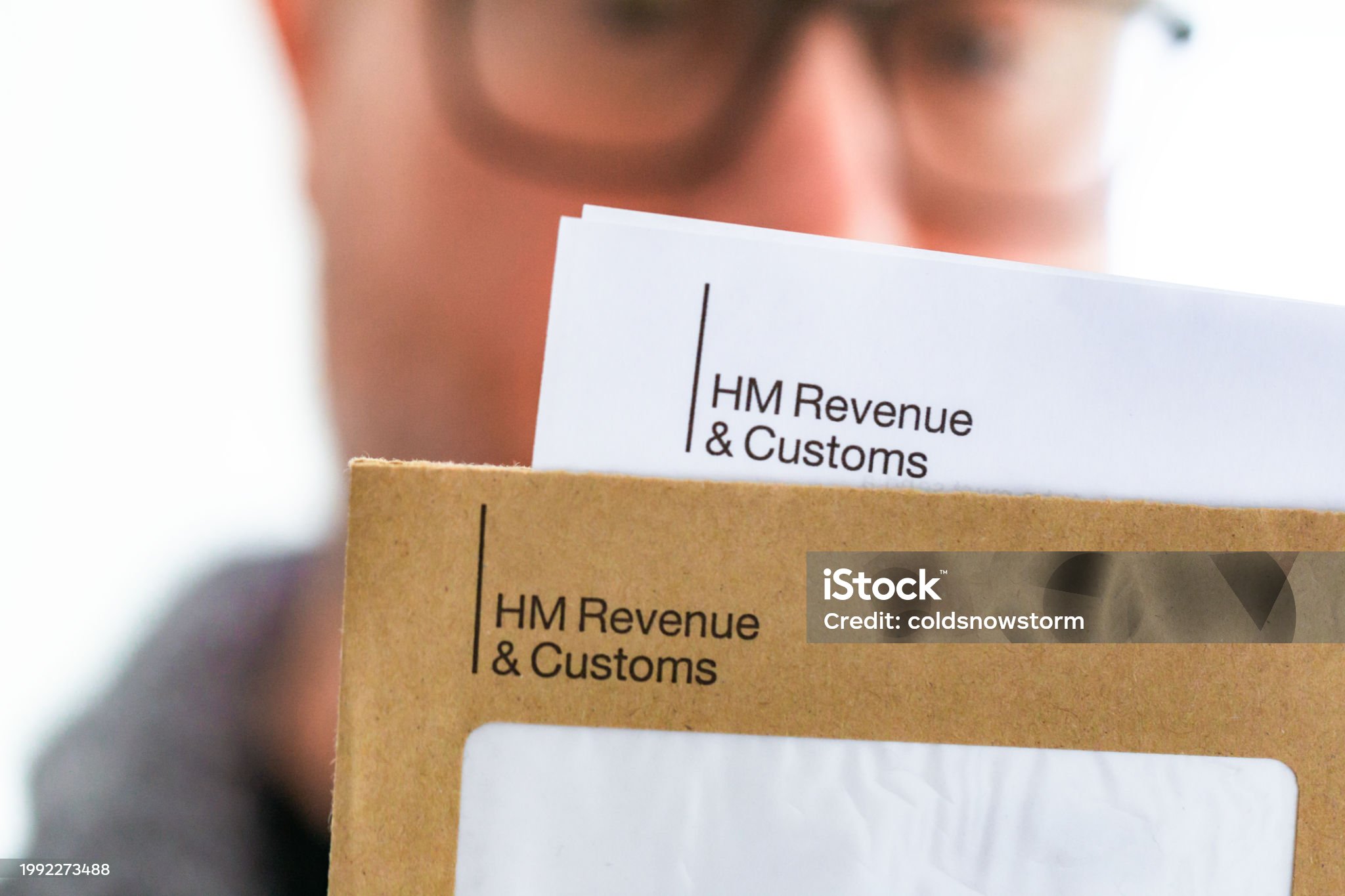
That sinking feeling when you open a brown HMRC envelope?
With HMRC opening over 299,000 tax enquiries between 2022 and 2023, you’re definitely not alone.
You’ve filed your taxes. You’ve kept your receipts. You’ve done everything by the book.
Then one morning - that letter lands.
“HMRC Compliance Check.”
In a moment, confidence turns into worry. Did I miss something? Is this an HMRC audit? Will there be penalties?
Here’s the truth: most business owners go through this at some point. And even the most compliant companies can get caught in HMRC’s net.
The good news? Understanding why HMRC enquiries happen and how to respond is half the battle. The bad news? Ignoring, delaying, or downplaying it can make things worse - fast.
Let’s break it down clearly, so you know what to expect, what’s at stake, and how to protect your business.
‘’Why HMRC Opens an Enquiry’’
HMRC doesn’t pick names out of a hat anymore. They use data analytics and artificial intelligence, a powerful system called Connect, to compare the data you’ve submitted against hundreds of external sources, including:
- Companies House filings
- Banking data and payment platforms
- Online sales (Amazon, eBay, Etsy, Airbnb)
- Payroll and VAT submissions, If you’re unsure when to register, read our guide: ‘Should you register for VAT?’
- Land Registry and property records
When something doesn’t match, Connect flags it for review.
Sometimes the cause is innocent, a typo, timing difference, or misunderstood category.
Other times, it points to deeper inconsistencies.
Most HMRC enquiries start with data. But once HMRC reaches out, how you respond determines everything.
The Different Types of HMRC Enquiries
1: Aspect Enquiry
A targeted review of one area - perhaps your R&D claim, director’s loan, or VAT entries.+ Learn what to do if it’s a CIS return enquiry. If your records are solid, these can be settled in a few months.
2: Full Enquiry
A deep dive into your entire return - income, expenses, records, and accounting systems. This often happens when:
- A major inconsistency is found
- You’ve missed or poorly handled an earlier request
- HMRC suspects deliberate underreporting
Expect 6-18 months of communication, documentation, and close review. It’s thorough, and it can be taxing - literally and mentally.
3: Risk-Based (So-Called “Random”) Checks
HMRC sometimes describes cases as “random,” but almost none are truly random.In reality, they’re data-driven selections based on small anomalies you may not even notice - Connect spotted something, even if it’s minor.
What Actually Happens During an Enquiry
Here’s the roadmap, from the first HMRC letter to final closure:
Stage | What Happens | What It Means for You |
Notification Letter | HMRC explains which tax year and issues they’re reviewing. | This marks the official start. Don’t panic - but act quickly. Share it with your accountant immediately. |
Information Request | You’re asked to provide evidence - accounts, invoices, bank statements, payroll records. | These requests can be extensive. Respond precisely and on time. |
Follow-Up Questions or Meetings | HMRC may seek clarifications or hold meetings. | Attend with representation. Keep it factual, not emotional. |
Review Period | HMRC reviews all documents and data. | This stage can drag on for months. Stay responsive and patient. |
Closure Notice | HMRC issues its conclusion - either no change, a tax adjustment, or penalties. | If you disagree, you can use Alternative Dispute Resolution (ADR) or appeal to the First-tier Tribunal (Tax). |
A HMRC closure notice doesn’t always mean the end. Some disputes continue into formal legal territory.
What Founders Often Underestimate
Even if you’ve done nothing wrong, an HMRC enquiry can disrupt your business life. Time, attention, and confidence all take a hit.
Here’s the real impact we see:
- Hours lost gathering records and reconciling data. Avoiding common accounting mistakes can prevent these stressful enquiries in the first place.
- Delayed refunds or R&D credits while the case is open. Make smarter cash reserve and investment choices to avoid liquidity strain during enquiries.
- Sleepless nights over “what if” scenarios
- Cost of professional representation
- Emotional toll on owners and finance teams
That’s why at AMS, we say:
Clarity is your best defence. The stronger your recordkeeping and the faster your response, the less stressful the experience becomes.
Penalties, Disclosure, and What’s Really at Stake
If HMRC finds underpaid tax, penalties depend on both your intent and how you disclose it.
Behaviour | Unprompted Disclosure | Prompted Disclosure |
Careless Error | 0-30% | 15-30% |
Deliberate Error | 20-70% | 35-70% |
Deliberate & Concealed | 30-100% | 50-100% |
- Unprompted: You admit before HMRC contacts you - lighter HMRC penalties.
- Prompted: HMRC finds it first - higher HMRC penalties and less flexibility.
- Interest is charged on all underpaid tax. Learn how strategic tax planning keeps you compliant while fueling growth.
In serious fraud or evasion cases, the matter may escalate to the Fraud Investigation Service (FIS).
That’s not routine, it’s reserved for criminal-level investigations, where outcomes can include:
- Prosecution
- Heavy fines
- Director disqualification
- Even imprisonment
If you ever receive a letter from FIS, seek specialist representation immediately.
When HMRC Enquiries Escalate: ADR and Tribunal Hearings
If you can’t reach agreement with HMRC, you have options:
- Alternative Dispute Resolution (ADR): A mediation-style process to resolve disagreements without going to court.
- First-tier Tribunal (Tax): A formal, legal appeal process where an independent body reviews the case.
These routes can be lengthy and complex, but they’re vital safeguards for taxpayers who believe HMRC’s decision is incorrect.
How AMS Can Help You
We’ve supported hundreds of UK SMEs through HMRC enquiries - from minor checks to full-scale HMRC investigations.
We help you:
- Decode HMRC correspondence and identify the true scope of enquiry.
- Prepare structured response packs with the right supporting evidence.
- Communicate directly with HMRC, removing emotion and guesswork.
- Ensure compliance consistency across VAT, PAYE, and Corporation Tax.
- Navigate ADR or tribunal referrals if disputes escalate.
We don’t sugar-coat the process, but we do make it clear, controlled, and compliant.Because the right response isn’t fear or avoidance. It’s structure, speed, and support.
Frequently Asked Questions
1) What triggers an HMRC enquiry?
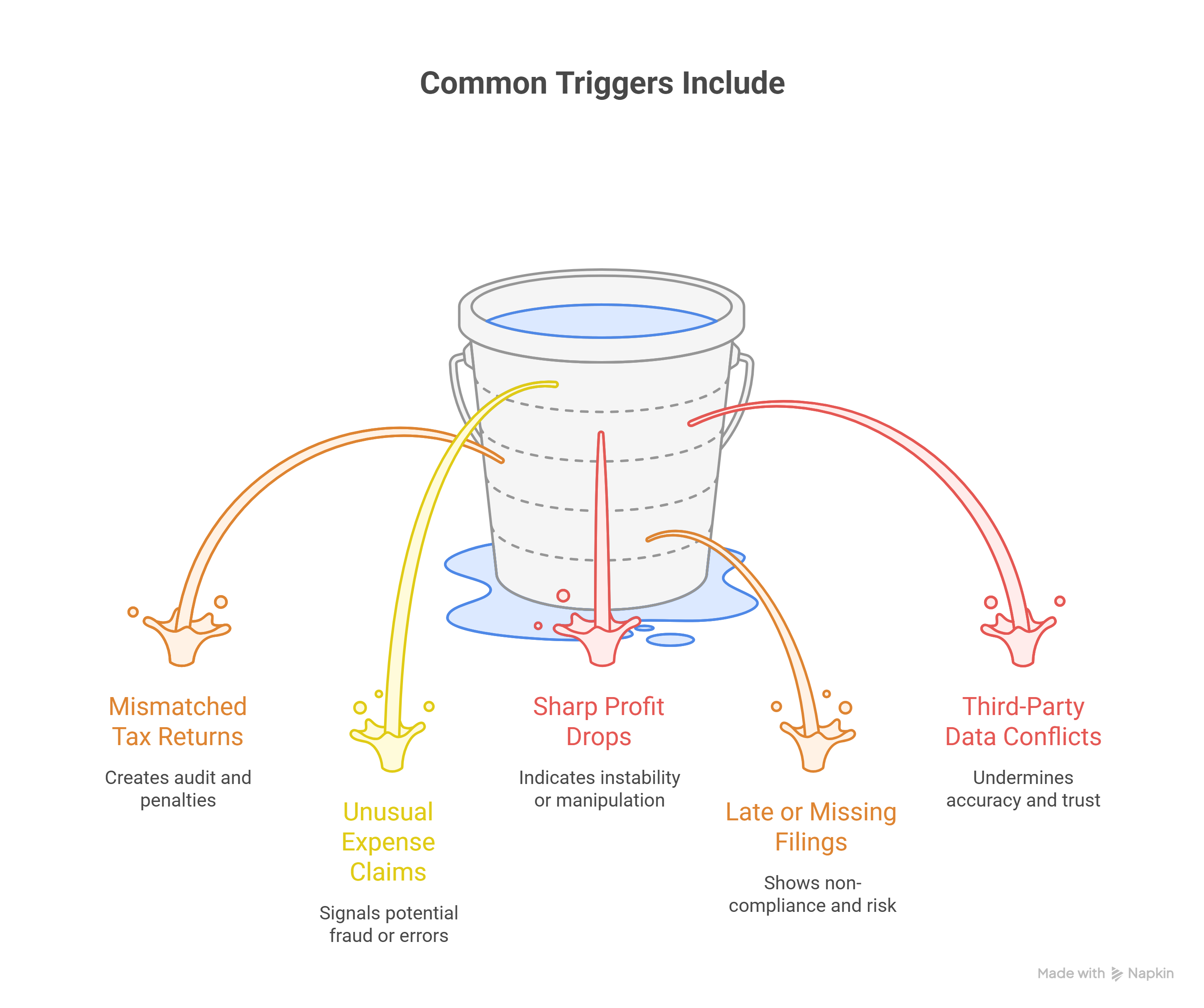
HMRC enquiries are often triggered by data mismatches between tax returns (like VAT and Corporation Tax), unusually high expenses, sharp profit changes, or late filings. Their Connect system also analyses third-party data from banks, Companies House, and online platforms to detect inconsistencies.
2) How long does an HMRC enquiry take?
An aspect enquiry, which focuses on one part of your tax return, usually takes a few months. A full enquiry can last 6 to 18 months, depending on complexity, cooperation, and how quickly information is provided.
3) What should I do if I receive an HMRC enquiry letter?
Stay calm, read the letter carefully, and contact your accountant immediately. Respond on time, keep communication factual, and provide organised records. Professional help from a compliance expert such as AMS Admin Services can make the process clearer and less stressful.
Staying Enquiry-Ready All Year Round
A surprise letter feels less scary when you’ve built systems that can withstand scrutiny.
Your year-round shield:
- Keep digital, reconciled records - always up to date. Regular financial health checks make future HMRC reviews far less stressful.
- Separate business and personal expenses.
- Double-check consistency between VAT, PAYE, and CT filings.
- Keep receipts and invoices (scans accepted).
- File on time - every time.
- Review big claims (like R&D or capital allowances) before submitting. If you’re in trades, read our financial scaling tips before expanding your team.
- Seek professional advice early, not when the letter arrives.
Prevention is cheaper, calmer, and faster than reaction.
Be Calm, Not Complacent
Let’s be candid.
HMRC enquiries can be stressful, slow, and expensive - even when you’ve done nothing wrong. They test not just your records, but also your resilience. If compliance is starting to feel overwhelming, our blog on staying compliant without burnout offers practical balance strategies.
Yet, with the right structure and support, they don’t have to derail your business.
At AMS, our role is to simplify it. We help you face HMRC with confidence, not fear. Because when you understand the system, you can master it.
Need clarity, calm, and confidence in dealing with HMRC? AMS provides end-to-end support for HMRC enquiries - from compliance checks to closure notices and appeals. Get in touch with us today!